
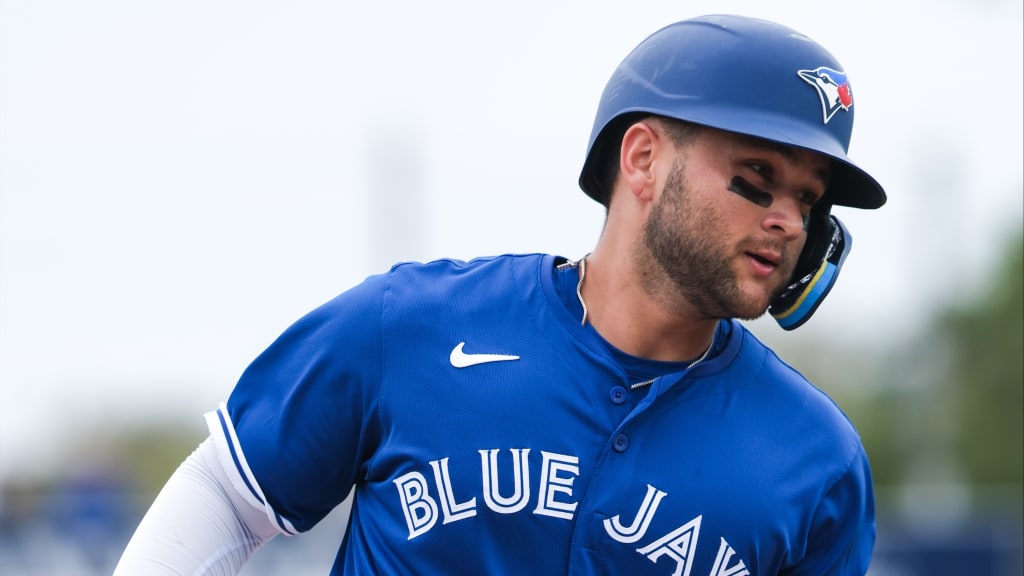
In a stunning escalation of their win-now strategy, the Rogers family has formally authorised Toronto Blue Jays general manager Ross Atkins to push forward with an additional $350 million in payroll commitments to complete long-term contracts for star shortstop Bo Bichette and newly targeted slugger Kyle Tucker. The decision comes on the heels of Toronto’s blockbuster acquisition of frontline starter Dylan Cease, sending a seismic message across Major League Baseball: the Blue Jays are going all in for a World Series title.
According to organizational sources, the ownership group approved the expenditure during an emergency meeting late Tuesday night, responding to both the momentum created by Cease’s arrival and growing internal belief that the current roster is only one or two elite hitters away from being a championship favourite. The move is unprecedented in modern franchise history, signaling a dramatic shift from previous offseasons in which Toronto operated more cautiously despite lofty expectations.
The centerpiece of the spending approval is an anticipated extension for Bichette, who has long been viewed as the club’s foundational player. Though contract talks have ebbed and flowed over the past two seasons, sources say the new financial directive now gives Atkins “full authority to close,” removing previous budgetary constraints. Early estimates suggest a final deal could land in the $250 million range, securing Bichette through the prime of his career and definitively anchoring the team’s infield.
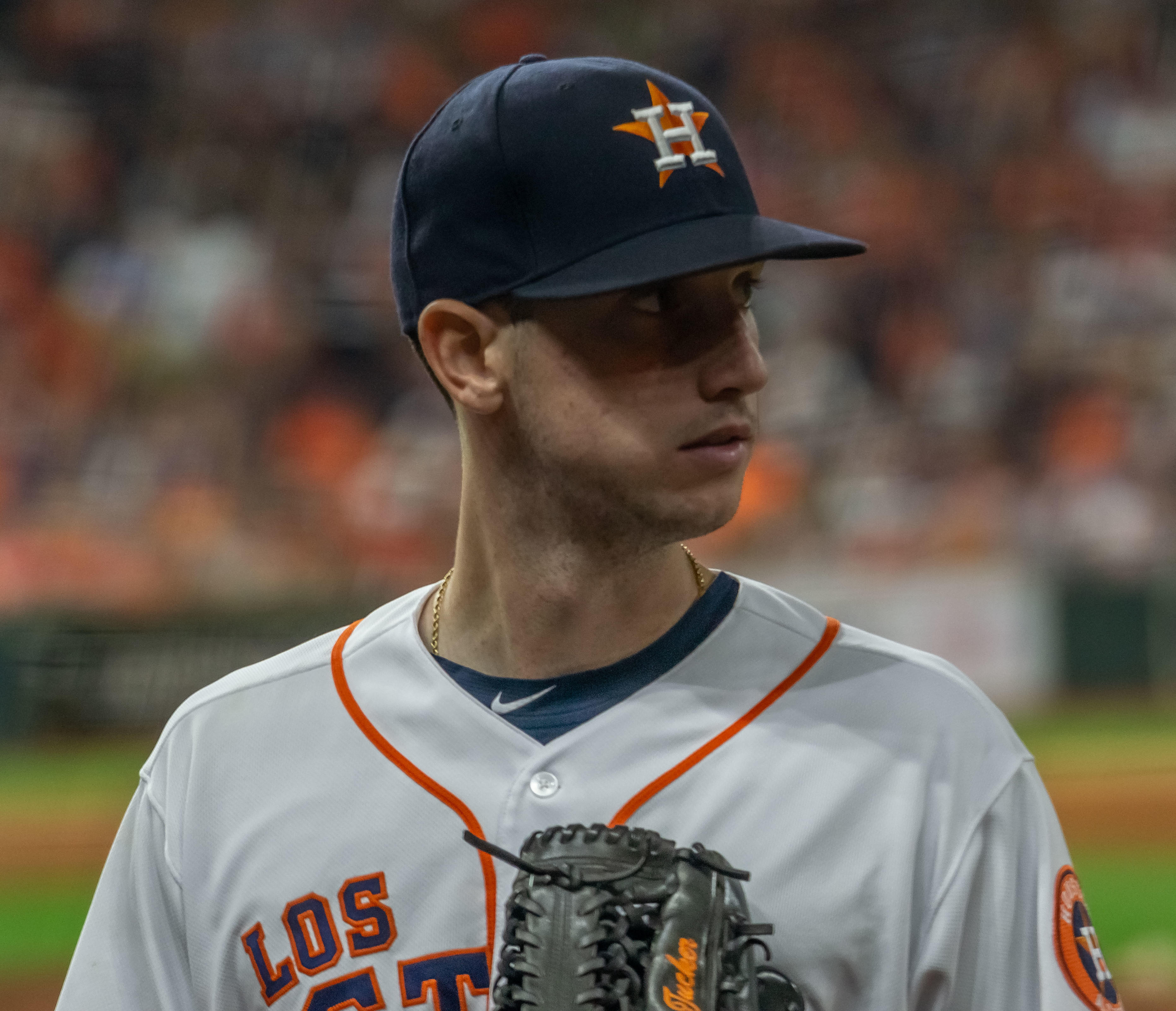
The more surprising element is Toronto’s intensified pursuit of Kyle Tucker, the Houston Astros’ star outfielder and one of the most productive left-handed bats in baseball. Toronto has been linked to Tucker in trade speculation before, but insiders indicate that discussions have now “accelerated significantly” with Houston amid the Blue Jays’ willingness to both absorb a large extension and part with major prospect capital. The belief within the organization is that Tucker’s combination of elite plate discipline, power, and defensive versatility makes him the perfect complement to a lineup currently lacking a stable middle-order force.
The combined moves—Cease already acquired, Bichette nearing an extension, Tucker potentially en route—represent a level of organizational decisiveness rarely seen in Toronto baseball. It also reflects an internal urgency driven by the current roster’s makeup. With Vladimir Guerrero Jr. two years from free agency and the core entering a critical period, management and ownership appear aligned in the belief that the championship window is fully open right now.
“We’re not in the business of half-measures anymore,” one team executive, speaking anonymously, said. “The American League is wide open. If you have a chance to build a team that can realistically win the World Series, you push. This is that moment.”
Cease’s acquisition earlier this week already transformed the Blue Jays’ rotation, giving them one of the most formidable pitching staffs in baseball. The right-hander, a former Cy Young finalist, joins Kevin Gausman, José Berríos, and Chris Bassitt in what could be the deepest top-four in the American League. The club had been searching for a swing-and-miss arm capable of dominating in October, and Cease fits that profile better than any starter realistically available on the market.
But the front office recognized that pitching alone would not be enough. The Jays’ offensive inconsistency last season was a major factor in their underwhelming performance, and the team’s inability to generate timely power was a glaring concern. Signing Justin Turner and Isiah Kiner-Falefa in earlier offseasons addressed depth, but not the middle-order potency required to match the likes of the Orioles, Dodgers, Braves, or Astros. Securing Tucker’s bat—and recommitting to Bichette’s—would fundamentally alter that dynamic.
The financial commitment authorized by the Rogers family also signals a willingness to push well beyond previous payroll thresholds. Toronto has typically hovered in the league’s upper-middle tier in spending, but cracking the top five—potentially even top three—is now within reach. Much of that expansion is expected to be front-loaded, taking advantage of the club’s current competitive window and capitalizing on revenue projections tied to the newly renovated Rogers Centre.
Fan response has been immediate and explosive. Social media platforms lit up with excitement within minutes of the reports emerging, with many supporters viewing the move as a long overdue statement of ambition. The Blue Jays have not won a postseason game since 2016 and have endured back-to-back first-round exits. Patience had been wearing thin, but the latest developments have swung public sentiment sharply in the opposite direction, generating an optimism not felt in nearly a decade.
If both the Bichette extension and Tucker deal are finalized, the Blue Jays would reshape not only their roster but the power balance of the American League. A lineup featuring Bichette, Tucker, Guerrero, Turner, and Daulton Varsho—combined with a dominant rotation—would immediately position Toronto as a legitimate World Series contender. It would also ratchet up pressure on rivals, particularly within the AL East, where Toronto has long been overshadowed by the Yankees and Red Sox in both spending and star power.
For now, the industry waits to see how quickly Atkins can convert ownership’s green light into signatures and finalized trades. But one thing is clear: the Toronto Blue Jays are operating with a level of urgency, aggression, and financial firepower unmatched in franchise history. And for the first time in years, the words “World Series or bust” seem less like fan bravado and more like the organization’s internal mission statement.

Be the first to comment